
Blog
Insights from PCF practice
Studies, analyses and experience from projects with industrial companies.Articles are currently available in German only.
August 29, 2024 · 6 min read · Dr. Johannes Weibl
Calculating the Product Carbon Footprint: Why, When and How?
Articles are currently available in German only.
Calculating the Product Carbon Footprint (PCF) is an essential step for companies to understand and reduce their CO2 emissions and operate more sustainably in the long term.
Gaining clarity about product-related emissions brings several competitive advantages and allows companies to position themselves as leaders in an increasingly environmentally conscious market. It also helps avoid competitive disadvantages, such as possible exclusion from tenders or being disadvantaged in the purchasing decisions of customers subject to the CSRD.
Product Carbon Footprint (PCF) – why?
Why is it important to tackle the calculation of the Product Carbon Footprint (PCF)? The following section looks at the motives behind a PCF calculation.
Pressure from regulation and customer expectations
Customer expectations are a driving factor.
In our study on the implementation of Product Carbon Footprint calculation in Germany in 2024, 71 percent of the companies surveyed stated that their own customers had made them aware of the need to calculate product-related emissions. Accordingly, these companies now have to meet their customers’ wishes.
Almost every second participant (40%) in this year’s PCF survey also confirms regulation as a driver of PCF calculation. Sustainability reporting plays a decisive role here. As part of a value chain, your own company as well as your customers may be subject to CSRD reporting, which means that the emissions caused by purchased goods and capital goods must be reported.
For companies subject to reporting, information on the emission value of products is therefore a must in order to operate in compliance with the rules. These companies will therefore pay close attention to this information when purchasing.
PCF calculation should support company-wide sustainability goals and enable possible cost savings
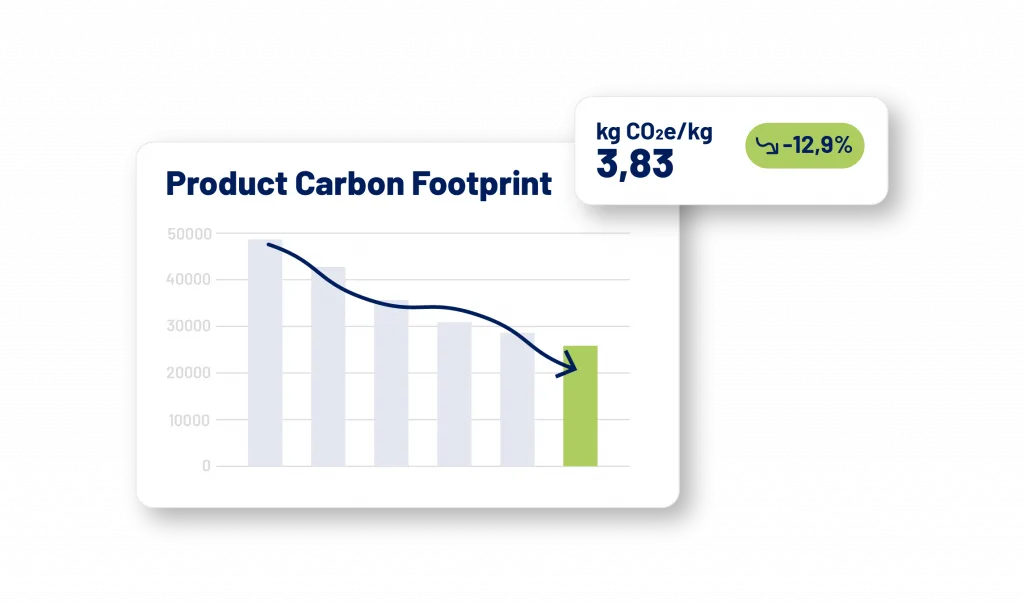
More than three quarters (76%) of respondents in this year’s PCF study stated that they need emission values not only for external transparency towards their customers but also for implementing their company-wide net-zero targets.
Insight into how emissions arise along a product’s value chain makes it possible to discover emission hotspots and improve inefficient, costly or resource-intensive processes.
Calculating the Product Carbon Footprint is therefore not only a step towards environmental responsibility but also a strategic measure to strengthen a company’s competitiveness and long-term sustainability.
Companies that respond to this development early can secure significant advantages and position themselves successfully in an increasingly environmentally conscious market.
Product Carbon Footprint (PCF) – when?
When should a company start calculating PCFs? This depends on several factors:
A lead time of at least one year is needed
Even for well-prepared companies, calculating the Product Carbon Footprint (PCF) is a complex and lengthy process. To collect the necessary data internally, define and implement processes, request the first emission values from suppliers, store them in the system and finally calculate and analyse the Product Carbon Footprint of a first product with these values, companies must expect a lead time of at least one year. This period of preparation for the first calculations involves a series of demanding steps.
Internal understanding must be built
First, those responsible must familiarise themselves thoroughly with the topic in order to understand the basics of PCF calculation . This includes defining the system boundaries to determine which production processes are to be included in the calculation, and considering relevant ISO standards. In addition, the choice of calculation method (spend-based or activity-based) should not be underestimated and requires careful consideration. Once the processes for data storage and processing are fully implemented, real data must be fed in. Suppliers must be involved in the processes to request actual emission data. Selecting and using precise and up-to-date emission factors is another challenge that requires careful research and coordination.
Data preparation should not be underestimated
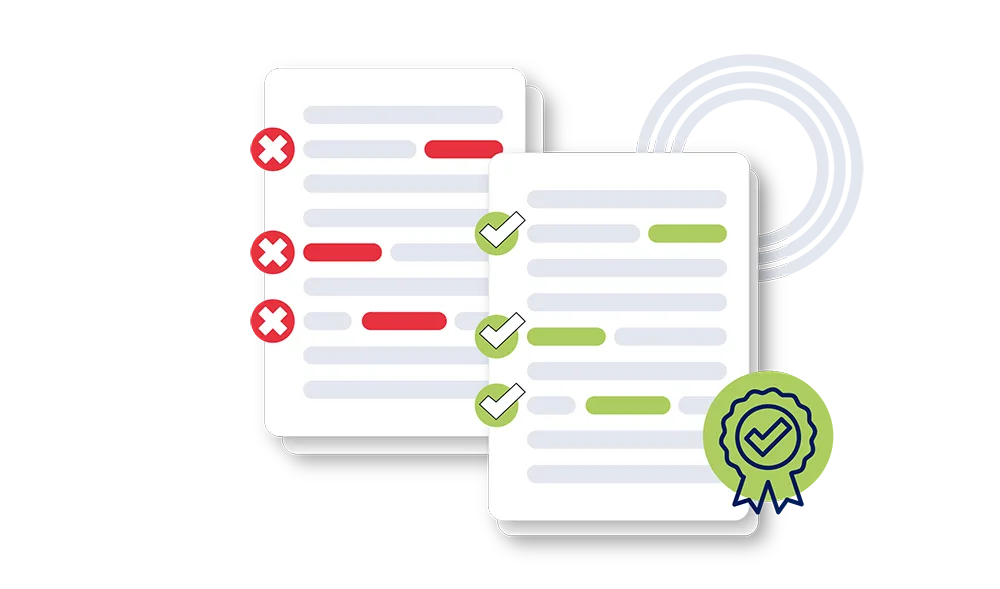
As part of this process, data preparation should not be underestimated. Relevant data from various sources is identified, linked and integrated into the existing system. Involving stakeholders efficiently and ensuring data quality is essential.
It is important to allow for a lead time of at least one to one and a half years if Product Carbon Footprint calculation is to be tackled internally without the support of external partners. Within this time, a first pilot project should be implemented to put the implemented processes through their paces.
Product Carbon Footprint (PCF) – how?
Once the first preparations for PCF calculation and a first pilot project have been completed, the focus shifts to the scalability of the intended solution.
Internal preparations for the pilot project
To develop a long-term solution, an experienced partner can help with developing and implementing a tailored PCF strategy .
To tackle a first pilot project, a PCF readiness check is advisable first, in order to develop a shared target picture among all stakeholders and gain a comprehensive understanding of PCF quantification and the associated data and IT requirements. Companies should also create a concept and a roadmap for gradually integrating supplier data. In addition, fostering a culture of continuous learning between suppliers, purchasing, sustainability and product management is crucial to achieve successful results in the long term and support sustainability goals.
The quantification of the first Product Carbon Footprint serves as a starting point that can be extended iteratively to other important products.
Particular challenges with spreadsheets
Although 42 percent of the companies surveyed have already carried out a PCF calculation, only 15 percent manage to do so regularly and efficiently. Using simple spreadsheets therefore seems to be a particular hurdle on the way to a scalable solution. Spreadsheets are often error-prone, time-consuming and not suitable for continuous and precise calculation of PCFs.
However, many companies reach their limits when developing internal software for PCF calculation, as they often lack the necessary internal capacity and technical know-how.
Scalable solutions through dedicated PCF software
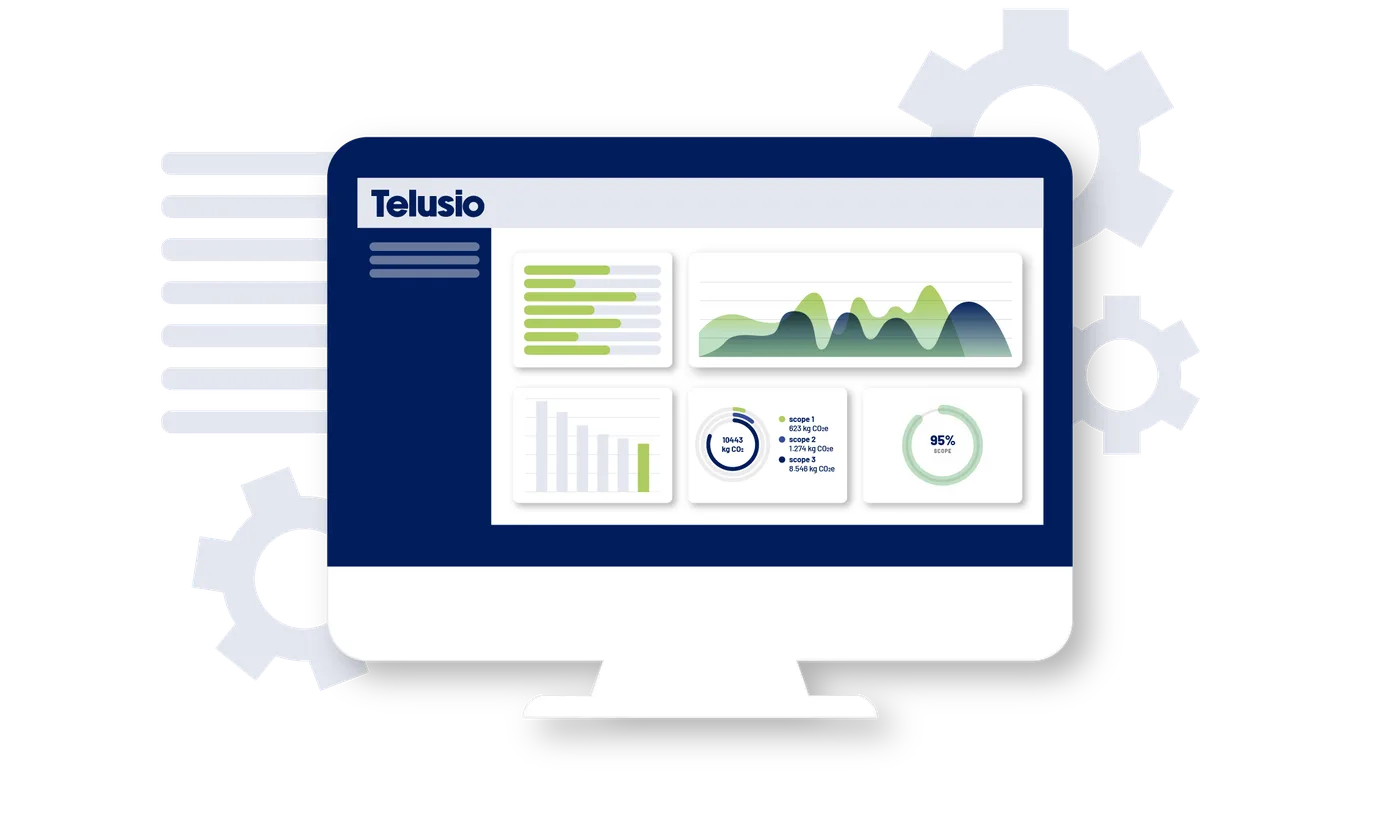
For companies that want to implement PCF calculation using a scalable and automated solution, it is therefore advisable to consider external support to ensure efficient processes.
This offers a number of advantages:
Efficiency gains through automation and standardisation
Smart algorithms enable automated and standardised calculation of the PCF results of different configurations of a product. This allows companies to save time and improve the accuracy of their calculations. Up-to-date emission factors and precise data integration ensure sound results for sustainable decisions.
Scalability and adaptability
Digital solutions are scalable and can be adapted to a company’s growing requirements and new products. This is particularly beneficial for companies with a large number of products and processes that require regular PCF calculations to monitor and reduce the environmental impact of different product configurations.
Integration into existing IT infrastructures
Suitable algorithm-based solutions for PCF calculation can be integrated seamlessly into existing IT infrastructures, making data management and integration easier. This helps improve transparency about environmental impacts and increase the efficiency of business processes.
Minimising compliance risks and verification
Working with digital service providers focused on PCF calculation helps companies continuously meet regulatory requirements and minimise compliance risks. Regular updates keep the software up to date with legislation and help ensure compliance with environmental regulations. It also ensures that the calculation was carried out in line with ISO and can therefore withstand an external audit.
Integrating software that has already been developed and tested can save an enormous amount of time in PCF calculation. A scalable solution allows customer wishes and regulatory requirements to be met quickly without tying up a lot of internal resources.
Telusio’s view
In summary, investing in specialised software for PCF calculation is not only a strategic decision to increase efficiency and cost-effectiveness, but also an important step towards sustainable corporate management.
This solution gives companies the opportunity to measure, control and reduce their environmental impact precisely, which not only demonstrates environmental responsibility but also strengthens competitiveness in the long term.




Your customer is asking for a PCF?Let’s talk.
Discover the easiest way to audit-ready PCFs – AI-powered and expert-reviewed.
Book an initial call