
Blog
Insights from PCF practice
Studies, analyses and experience from projects with industrial companies.Articles are currently available in German only.
September 12, 2025 · 6 min read · Dr. Johannes Weibl
Ecodesign as a Competitive Advantage for Companies
Articles are currently available in German only.
Today, companies face the challenge of combining economic success with environmental responsibility. Ecodesign offers a clear approach: products are developed from the outset to be resource-efficient, durable and efficient. Those who take this path not only reduce costs but also strengthen their market position and meet the growing demands of policymakers, stakeholders and shareholders.
What to expect in this article:
In this article, you will learn what role ecodesign plays for companies and how it can be implemented in product development. You will get to know the most important design principles – from material choice and energy efficiency to waste prevention and logistics. We also explain how ecodesign supports the transition to PCF and LCA, which implementation steps make sense and what economic benefits result. Finally, you will see why ecodesign is becoming a strategic investment in the future viability of your company.
1. What is ecodesign and why does it matter for companies?
Ecodesign, also called eco-design or green design, means developing products from the start so that they use resources efficiently, are durable and can be returned to material cycles at the end of their life. This approach combines environmental responsibility with economic sense.
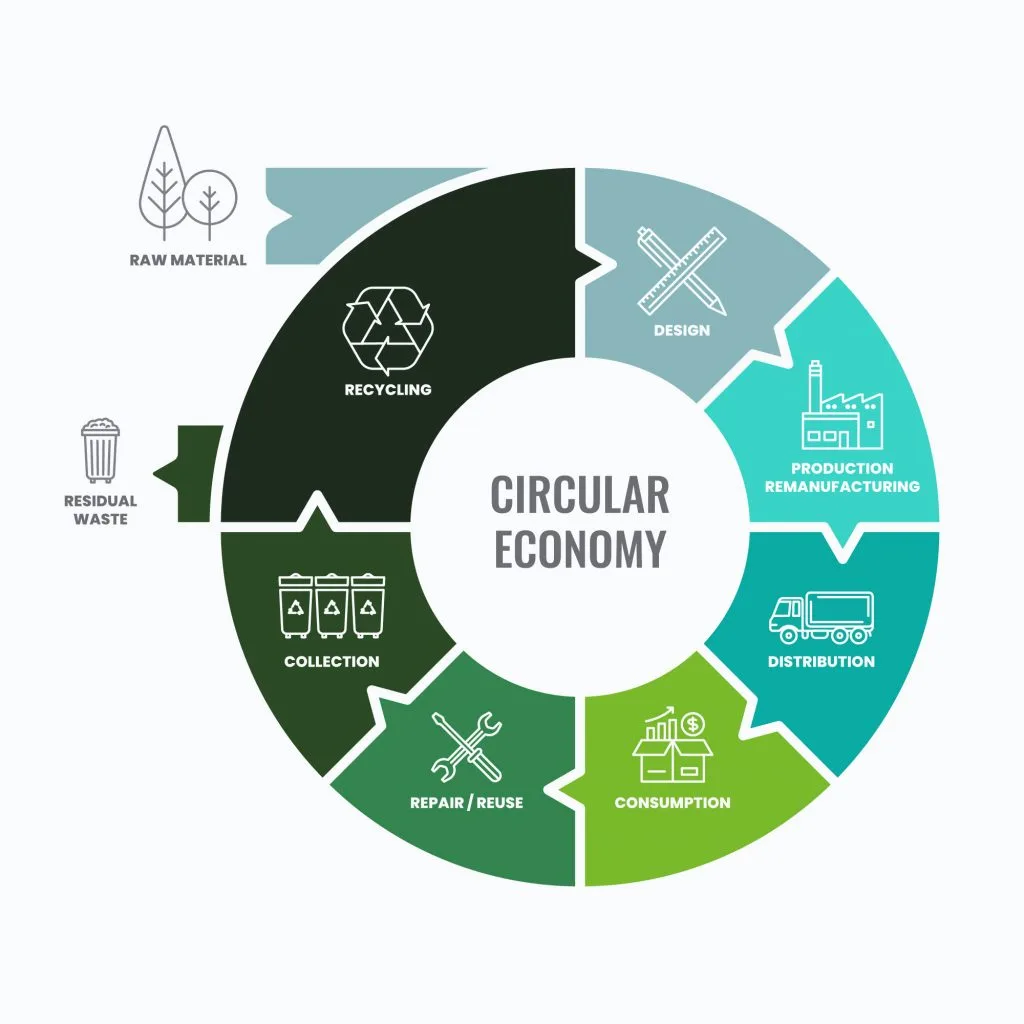
Design plays a key role: sustainability is integrated early into product planning and systematically considered from the outset. This approach starts at the beginning of the product life cycle, extends beyond the use phase and also includes the end of life – up to recycling and reuse strategies. Ideally, the product design enables closed-loop recycling, in which materials are returned to the production cycle completely and without loss of quality after use.
Because ecodesign is anchored in the foundations of sustainability, it covers not only environmental but also social aspects. Especially in material sourcing, questions of fair working conditions, human rights and a transparent supply chain play a central role. Companies that consistently implement ecodesign therefore design their products to be not only resource-efficient but also socially responsible.
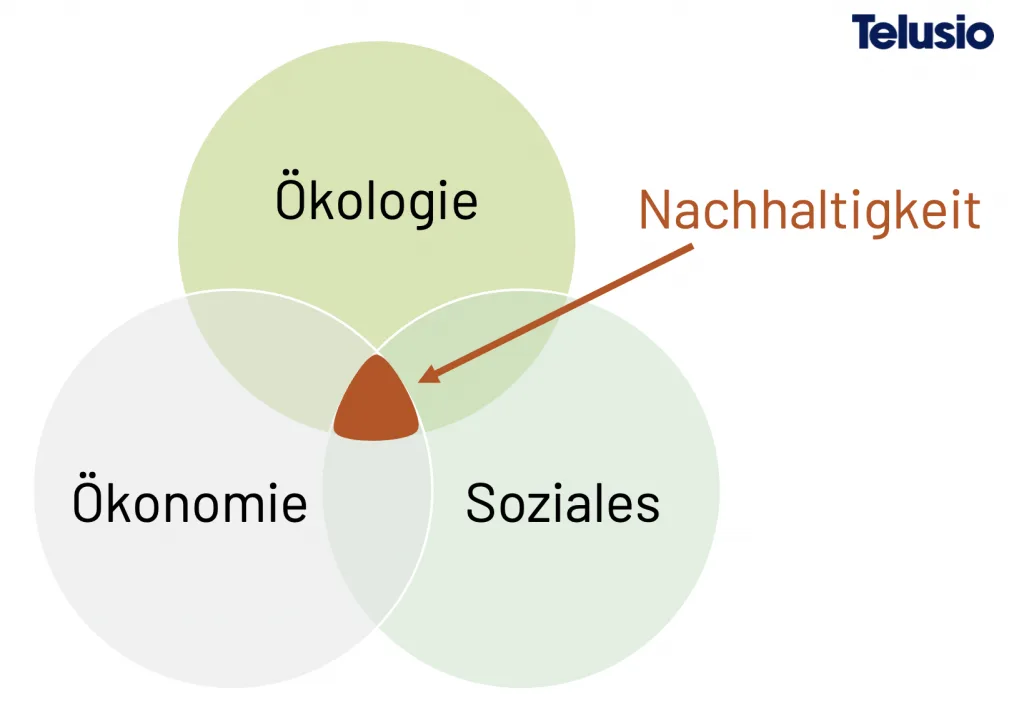
Because sustainability touches many dimensions – from material choice through manufacturing and logistics to service concepts and supply chain management – ecodesign requires interdisciplinary teams to work together. Expertise from design, supply chain management, engineering and other areas is pooled to align environmental and economic goals with social responsibility.
With the Ecodesign for Sustainable Products Regulation (ESPR), the EU has created a binding framework that prescribes requirements such as energy efficiency, reparability, material cycles, reducing the environmental footprint or recyclability for almost all product groups. This makes it clear: sustainability is no longer a voluntary extra, but part of the mandatory programme.
For companies, this is a great opportunity: those who embrace ecodesign early secure not only regulatory compliance but also position themselves as innovative and responsible suppliers.
2. Core elements of ecodesign for companies
Material choice:
Choosing the right materials is a key lever. Using recycled materials or renewable raw materials reduces dependence on scarce resources and lowers the cost of primary materials. At the same time, it increases resilience to fluctuating raw material prices – an advantage that is directly reflected in the cost structure.
Energy efficiency:
Ecodesign relies on energy-optimised processes both in manufacturing and in use by the end customer. For companies, this means not only lower production costs but also a strong selling point: products with low energy consumption are more attractive and competitive for customers in the long term (especially electrical products).

Service life:
Products that are modular, repairable or can be used for longer through upgrades are a win for both sides. Companies open up additional service and spare parts markets, while customers benefit from a longer life cycle. This creates closer customer loyalty and a more stable revenue stream.
Waste prevention:
A central goal of ecodesign is to avoid waste along the entire value chain. This starts in production with efficient manufacturing processes and continues in the product itself – for example through the lowest possible material use, which not only conserves resources but also reduces costs. In addition, optimised packaging and transport concepts help to reduce waste.
Logistics:
Transport and supply chains can also be made more sustainable through ecodesign. As early as product development, you can consider how weight, volume and packaging can be optimised to make transport more efficient. Less material, stackable shapes or modular designs reduce not only resource consumption but also transport costs. At the same time, well-designed logistics – for example using recyclable packaging or shorter transport routes – helps to reduce emissions and improve the environmental footprint of the entire product. Here, companies can save costs with products and packaging that are reduced in volume and weight.
End-of-life strategy:
Recycling, reuse or second-life models turn the supposed waste stage of a product into a new value stream. Companies can establish clear take-back and disposal systems, return materials to the cycle or create refurbishment offers. Besides conserving resources, this creates additional business models with high differentiation potential.
3. The transition to PCF and LCA – why ecodesign is the key
The Product Carbon Footprint (PCF) is increasingly at the centre of customer requirements, investor questions and regulatory reporting standards. A product that is developed according to ecodesign principles from the outset automatically has lower CO₂ emissions – a clearly measurable advantage in costing and marketing.
Create transparency – calculate PCFs professionallyLife cycle assessment (LCA) also benefits directly: it provides a sound evaluation of environmental impacts along the entire life of a product. Ecodesign supports the systematic collection of relevant environmental data as early as the development phase. This makes it possible to implement optimisations early, avoid costly rework and create a sound basis for sustainability reports. However, this approach does not replace complete data collection along the entire value chain.

In short: ecodesign is not just a design guideline but an important basis for reliable and more efficient carbon footprints. Early environmental optimisation reduces regulatory risks, unnecessary extra costs can be avoided, and transparency towards stakeholders is strengthened.
4. Steps to implement ecodesign in your company
The path to ecodesign requires structure and clear responsibilities:
- Analysis phase: First, existing products need to be examined for their biggest environmental impacts – such as energy consumption, material use or disposal.
- Defining targets: Building on this, concrete sustainability and CO₂ reduction targets should be formulated that fit the company’s strategic direction.
- Integration into development processes: Ecodesign criteria must be integrated into product development in a binding way. This requires adapted processes and trained teams.
- Involve the supply chain: Sustainable design does not end at the factory gate. Companies should involve their suppliers, develop common standards and rely on transparent sourcing.
- Start pilot projects: Before a large rollout, it makes sense to implement first projects on a small scale. This lets you gain practical experience, identify optimisation potential and prepare the next steps in a targeted way.
This step-by-step approach eases the transition, reduces risks and quickly delivers visible results that create acceptance within the company.
5. Business benefits of ecodesign
The benefits for companies are manifold and go far beyond pure image effects:
 Cost reduction: Lower material consumption, more efficient energy processes and optimised logistics permanently reduce production costs.
Brand positioning: Sustainably designed products strengthen customer trust and ease access to new markets, especially where sustainability criteria are becoming the standard.
Regulatory certainty: Companies that act early automatically meet upcoming requirements and avoid costly last-minute adjustments.
Competitive advantage: Ecodesign offers clear opportunities for differentiation. Products with environmental added value can be marketed in a targeted way and stand out positively in saturated markets.
Telusio’s view: ecodesign as an investment in tomorrow
Ecodesign is no longer a niche topic. It is developing into a binding standard in product development – and companies that actively shape this development benefit twice. They reduce costs, minimise risks and at the same time improve their market position.
The combination with PCF and LCA also creates transparency and verifiability, which are indispensable today in customer relationships, investor communication and reporting to authorities.



Your customer is asking for a PCF?Let’s talk.
Discover the easiest way to audit-ready PCFs – AI-powered and expert-reviewed.
Book an initial call